Estimated Time: 90–120 minutes
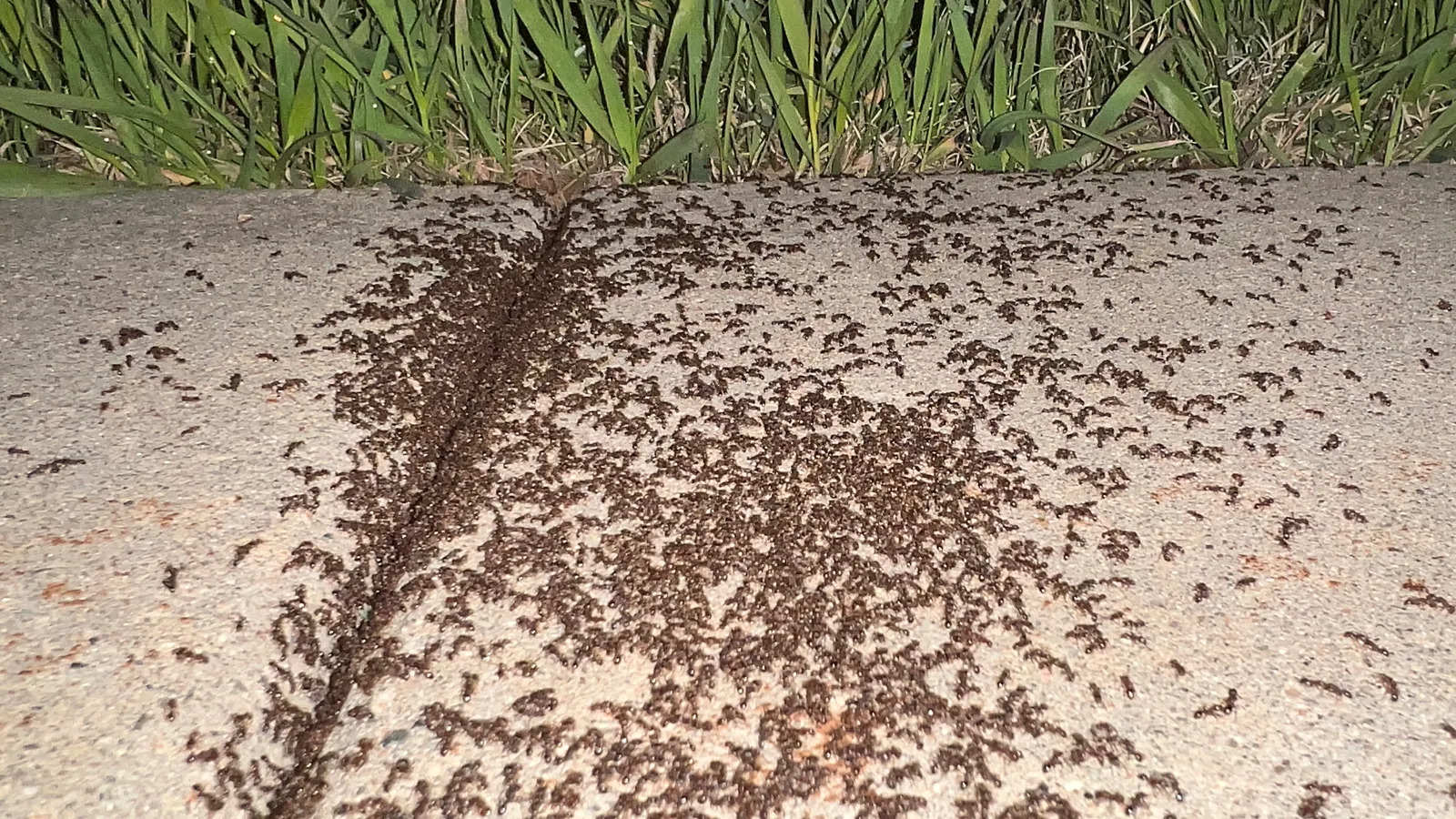
Swarm intelligence is one of the most fascinating ideas in science and engineering. In nature, ants, bees, birds, and fish solve problems that seem impossible for individuals acting alone. They don’t rely on a king or queen to bark orders. Instead, simple creatures — following simple rules — create systems that are flexible, adaptive, and surprisingly clever. In this lesson, you’ll explore how these natural systems work and why engineers are obsessed with using them to design robotic swarms.
A swarm is a collection of many individuals that act without global control. Each individual follows its own simple rules, but the group together behaves in ways that seem purposeful and intelligent. The magic of a swarm lies not in its members, but in their interactions.
Examples from nature:
Swarm systems aren’t magical — they follow three core principles that, when combined, generate complexity:
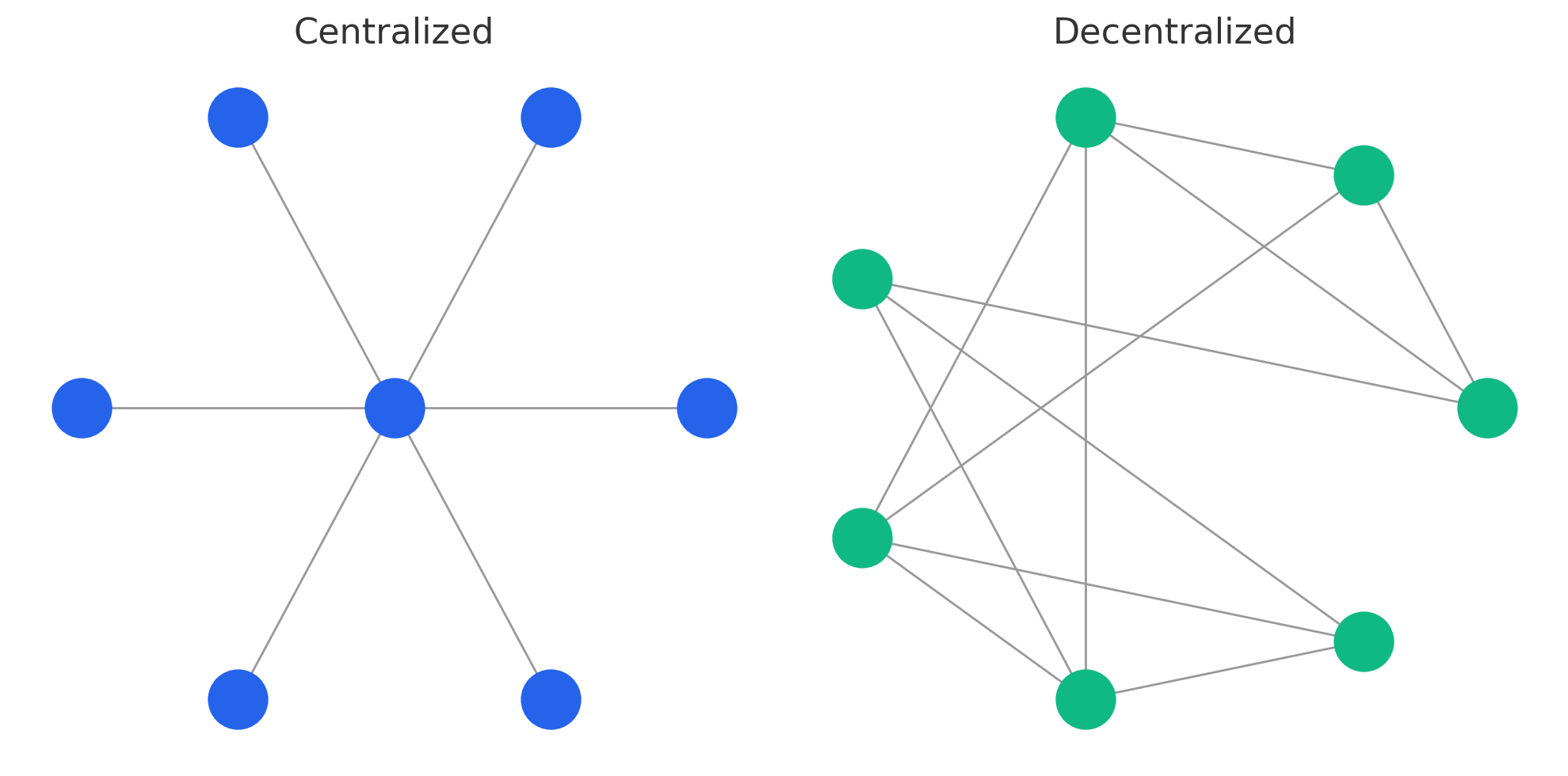
Thought Experiment: Imagine if your brain worked like a centralized system with a single “master neuron.” If that one neuron died, your brain would fail. Instead, billions of neurons interact locally, and consciousness emerges from those countless connections. Swarms work the same way.
Centralized systems can be efficient — think of a company with a strong CEO or a traffic system managed by a single computer. But they are fragile. If the central hub fails, the whole system collapses.
Decentralized systems, like swarms, are robust and adaptive:
Nature’s lessons are already powering human technology:
Enough theory — time to play! You’ll explore flocking using the NetLogo Flocking Model:
This is emergence in action: simple rules, complex behavior.
Reflection Prompt: Why do humans try to imitate swarms in robotics? Think about advantages like resilience, adaptability, and collective intelligence. Are there drawbacks?
Assignment: Choose one swarm example (ants, bees, birds, or fish). Write a one-page reflection describing: